What Causes Peeling Paint on Exterior Walls and How to Fix It
Peeling paint on exterior walls is one of the most common problems in exterior wall renovation. In many cases, what starts as small flaking edges or bubbling spots gradually becomes a larger coating failure that affects both the appearance and protection of the building.
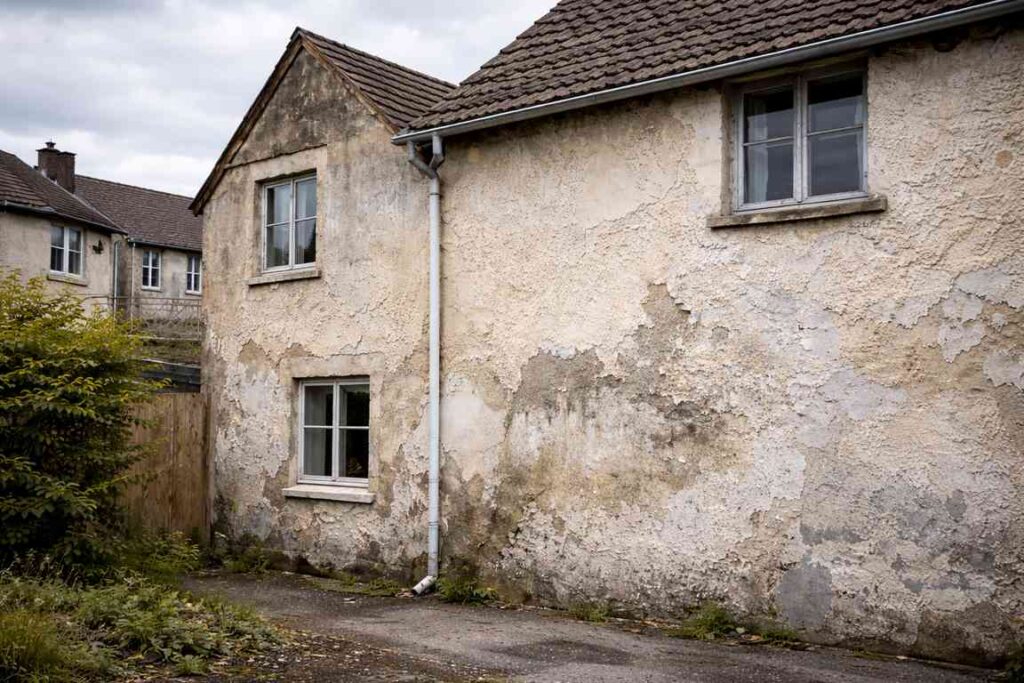
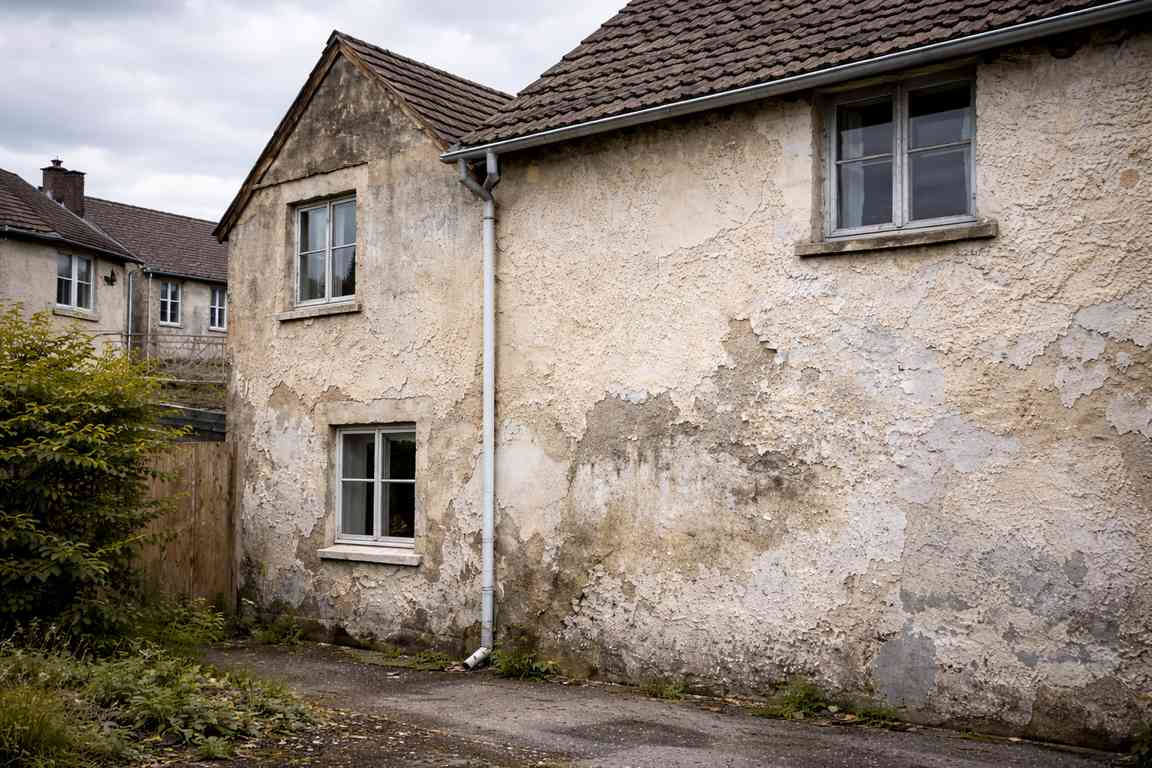
Many property owners first notice peeling paint on walls as a visual problem, but the real issue is often deeper than the surface. On exterior walls, peeling paint is usually related to moisture, weak surface preparation, old unstable coatings, or long-term weather exposure.
For contractors, project buyers, and building owners, repainting without understanding the real cause often leads to the same problem returning again. A more reliable repair starts with the wall condition first, then the right coating solution.
Why Is Paint Peeling on Exterior Walls?
Exterior paint starts to peel when the paint film loses adhesion to the wall surface. This usually happens when the substrate is weak, moisture is present, or the paint system does not match the actual condition of the wall.
Below are some of the most common causes.
Moisture Penetration
Moisture is one of the main reasons exterior paint fails. Rainwater may enter through cracks, weak joints, porous surfaces, or damaged waterproof layers. Once water moves into the wall, the paint film gradually weakens and starts to lose adhesion.
This is why damp walls causing peeling paint is such a common problem on old exterior walls, ground-floor damp areas, and buildings that have not been properly maintained.
Poor Surface Preparation
A new coating needs a clean, stable, and properly prepared surface. If exterior walls still have dust, chalking, loose material, flaking old paint, or surface contamination, the new paint may not bond well.
In repainting work, poor preparation often makes the difference between a durable finish and early paint failure.
Weak Existing Paint Layers
Many old exterior walls already have multiple layers of aged paint. If the existing coating is brittle, powdery, loose, or weather-damaged, applying new paint on top may not solve the problem.
The new finish may look acceptable at first, but peeling often returns because the base layer underneath is still unstable.
Unsuitable Paint System
Exterior walls need coatings that match both the wall condition and the surrounding environment. If the paint system does not provide enough adhesion, weather resistance, or compatibility with the surface, failure becomes more likely.
This is especially common in renovation work where the wall may already have damp-related issues, repair marks, or uneven previous coatings.
Long-Term Weather Exposure
Exterior walls are constantly exposed to sunlight, rain, wind, and temperature changes. Over time, repeated wet-and-dry cycles and UV exposure can weaken the paint film.
When the wall surface is already vulnerable, weather exposure speeds up flaking, cracking, and peeling.
Common Signs Before Exterior Paint Starts to Peel
Before paint starts peeling seriously, exterior walls often show early warning signs.
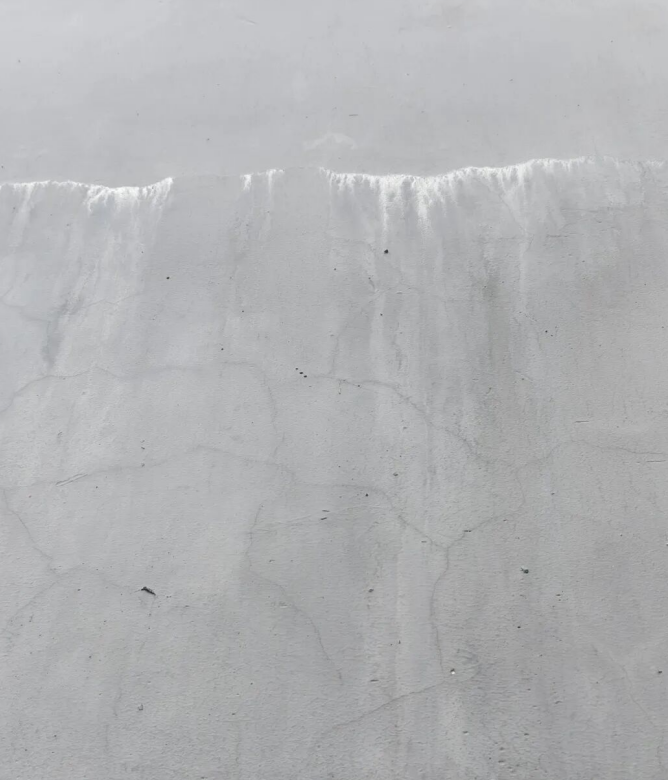
These may include bubbling paint, blistering areas, flaking edges, discoloration, damp patches, or white salt-like deposits on the wall surface. In some renovation cases, the wall may also show chalking, cracking, or weak plaster.
These signs usually suggest that the issue goes beyond appearance alone. Repainting without checking the surface first may lead to the same failure again.
Can Damp Walls Cause Peeling Paint?
For projects affected by moisture penetration or waterproof-related wall issues, it is often necessary to look beyond repainting alone and review the wall protection system as well.
Yes. Damp walls can directly cause peeling paint on exterior surfaces.
When moisture remains inside the wall or repeatedly moves through the wall system, paint adhesion becomes weaker. In some cases, the paint starts to bubble or blister first. In other cases, it begins cracking, flaking, or peeling away from the surface.
Moisture may come from rain penetration, poor waterproofing, leaking joints, wall cracks, or long-term water exposure in vulnerable areas. This is often seen on old exterior walls, ground-floor damp areas, boundary walls exposed to rain, and buildings with a history of repainting.
Many property owners ask, can you paint over damp walls, but in most cases it is not recommended unless the moisture problem has been treated first.
That is why exterior repainting should never begin with paint selection alone. The wall condition must be checked first. If dampness is still active, repainting too early often leads to the same problem returning.
How to Fix Peeling Paint on Exterior Walls
Repairing peeling paint on exterior walls involves more than covering the damaged area. A proper repair process should deal with both the failed paint layer and the reason behind it.
In renovation work, repainting without removing the failed layer often leads to the same problem coming back within a relatively short time.
Step 1: Inspect the Wall Condition
Start by checking how serious the peeling is and whether moisture is involved.
Look for damp areas, cracks, bubbling paint, flaking edges, chalking, water stains, weak plaster, and surface salt deposits. If the wall still has active moisture problems, those need to be addressed first.
Step 2: Remove Loose and Failed Paint
All loose, peeling, blistered, or unstable paint should be removed.
Painting over failed layers is rarely a durable solution. The new finish may look better for a short time, but it usually does not last because the layer underneath is still weak.
Step 3: Clean the Surface Properly
Once the failed paint is removed, clean the wall thoroughly.
Dust, chalking residue, loose particles, grease, and surface contamination can all reduce paint adhesion. A clean surface gives primer and topcoat a stronger base.
Step 4: Repair Cracks and Damaged Areas
Exterior walls often need more than paint repair alone.
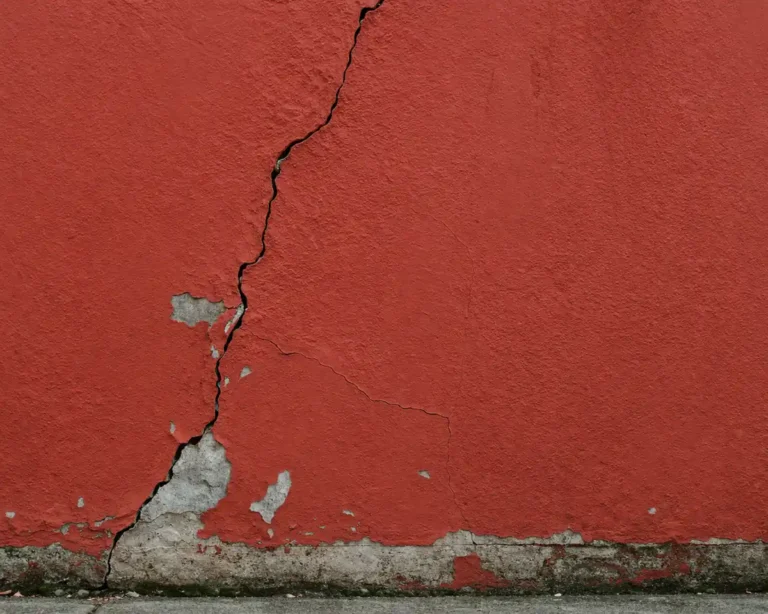
Depending on the condition, the wall may require crack treatment, patching, surface leveling, or local waterproof repair before repainting. In exterior renovation work, proper wall repair is essential for improving the performance of the new coating.
Step 5: Allow the Wall to Dry
Do not rush this step.
If the wall has been washed, repaired, or affected by moisture, it needs enough drying time before any primer or topcoat is applied. Painting on a damp surface is one of the most common reasons exterior paint fails again.
Step 6: Apply a Suitable Primer and Exterior Coating
After the wall is clean, repaired, and dry, apply a suitable primer followed by a suitable exterior wall coating. You can also explore our exterior wall paint solutions for renovation and repainting needs.
For renovation work, product choice should consider adhesion, weather resistance, substrate compatibility, and whether additional waterproof support is needed.
Can You Paint Over Peeling Exterior Walls?
In most cases, no.
Painting over peeling exterior walls may improve the appearance for a short time, but it does not solve the reason the paint failed in the first place. If the old coating is weak, or if moisture is still present, the new paint is likely to peel again.
The better approach is to remove unstable paint, inspect the substrate, repair damaged areas, allow proper drying, and then repaint using a suitable coating solution.
This process takes more effort, but it gives a more reliable result for exterior wall renovation.
How to Prevent Exterior Paint from Peeling Again
The best way to prevent peeling paint is to focus on wall condition and proper preparation before repainting.
First, solve moisture problems before applying any new coating. If rainwater penetration, seepage, or dampness is still active, paint alone will not provide a lasting result.
Second, prepare the surface properly. Remove failed paint, clean away weak residue, and repair cracks or damaged substrate before primer and paint are applied.
Third, choose a coating solution that matches the actual project need. Exterior renovation surfaces are not all the same, and product selection should reflect wall condition, exposure, and performance requirements.
Finally, allow enough drying time during the repair and repainting process. Rushed application often leads to repeat failure.
Choosing the Right Coating for Exterior Wall Renovation
Exterior wall renovation often involves more than simply applying a fresh coat of paint. Old walls may already have weak adhesion, previous coating failure, damp-related issues, local cracks, or surface aging caused by long-term weather exposure.
That is why choosing the right coating for exterior walls should begin with the actual condition of the surface.
A suitable solution may involve exterior wall paint, renovation-oriented wall coatings, or waterproof-supporting systems, depending on the project. The goal is not only to improve appearance, but also to create a more stable and durable surface for future use.
For B2B buyers and project-based customers, the right coating direction should be based on wall condition, application area, and expected performance, rather than price alone.
Contact Us for Exterior Wall Coating Support
If you are dealing with peeling paint on exterior walls, damp renovation surfaces, or repainting problems on older buildings, the first step is to understand the wall condition before choosing a new coating solution.
BuildCoatSupply supports inquiries related to exterior wall paint, renovation-oriented wall coatings, waterproof-related wall issues, and OEM or project-based coating needs.
You can contact us with your wall condition, project background, target market, or coating requirement, and we will help you discuss a more suitable direction for the application.