Can You Paint Interior Walls in Winter?
Yes, you can paint interior walls in winter, but only if the painting conditions are right.
Many people worry that cold weather automatically means interior painting will fail. In reality, winter itself is not the real problem. What matters more is the temperature and humidity inside the room, the condition of the wall surface, and whether the paint has been exposed to freezing conditions.
If those factors are controlled properly, interior wall painting can still be done successfully during winter. If they are ignored, problems such as poor adhesion, weak film formation, peeling, or powdering may appear later. For related coating options, you can also explore our interior wall paint solutions.
What Really Matters When Painting Interior Walls in Winter?
The most important factor is not the outdoor temperature. It is the actual condition inside the room where the paint will be applied.
In most cases, interior wall paint can be applied normally when the room meets these basic conditions:
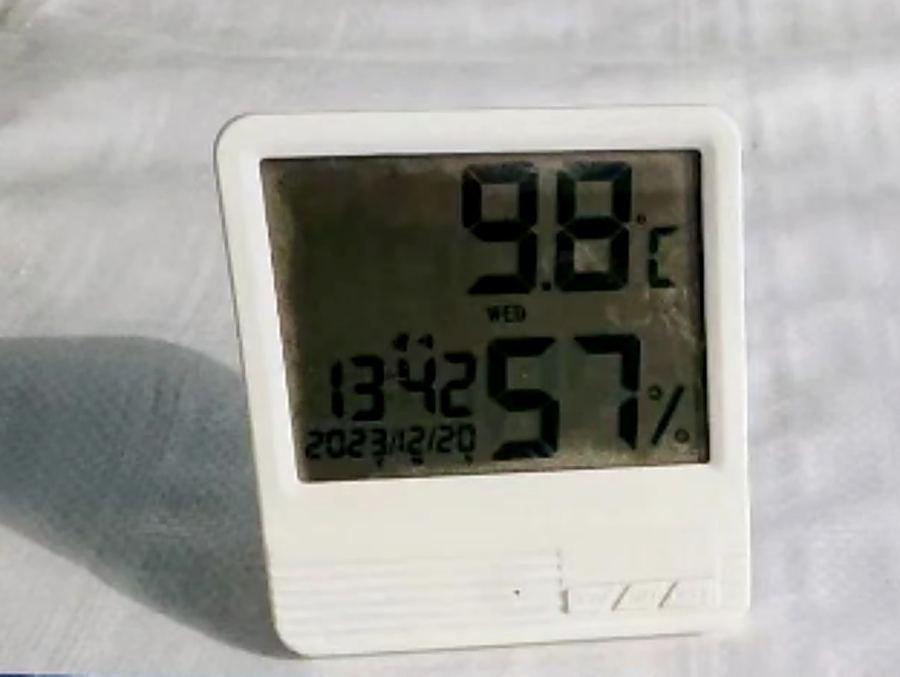
- Room temperature: 5°C to 35°C
- Relative humidity: 40% to 60%
This means the room itself must be warm enough, and the wall surface must also be within a suitable range for painting.
What Is the Minimum Temperature for Painting Interior Walls?
A common question in winter painting is the minimum temperature for painting interior walls.
As a practical rule, the painting environment should not be below 5°C. However, this should not be understood as the temperature of the weather outside. It should be the actual indoor painting environment, including the wall surface itself.
A room may feel acceptable for people, but the wall can still be too cold for proper paint performance. If the wall surface remains too cold, the paint may not form a stable film even if it looks fine at first.
Why Painting Interior Walls in Winter Can Go Wrong
Winter painting problems usually happen because one or more key conditions are not controlled properly.
The Wall Surface Is Too Cold
This is one of the most common winter problems.
In vacant or unheated buildings, the indoor wall may stay below the safe application temperature for a long time. In that case, the paint may go onto the wall without obvious problems at first, but later issues can appear, such as:
- poor adhesion
- peeling
- powdering
- weak film formation
In this situation, the paint itself may not be the real problem. The wall surface simply was not ready for painting.
The Paint Has Been Exposed to Freezing Temperatures
Another common question is: can latex paint freeze?
Latex paint can be damaged if it freezes during storage or transportation. If paint has been left in a garage, porch, storage area, vehicle, or another cold place, freezing may already have affected its performance.
Even if the paint can still be stirred after thawing, the film quality, adhesion, and long-term stability may no longer be reliable.
That is why winter painting decisions should not only consider the wall and the room, but also whether the paint itself has remained in proper storage conditions.
The Room Is Ventilated Too Aggressively Right After Painting
Some people open windows fully as soon as painting is finished because they want the wall to dry faster.
In winter, that can create another problem. Low temperature combined with strong airflow may interrupt the normal film-forming process. The paint may appear to dry quickly on the surface, but the coating can become unstable later.
Three Practical Rules for Painting Interior Walls in Winter
If you want to keep winter painting simple, these are the three most useful rules to follow.
1. Bring the Paint Indoors as Soon as It Arrives
Do not leave it for long periods in cold places such as garages, porches, storage rooms, or vehicles.
Before painting, let the paint stay in a stable indoor environment.
2. Warm Up the Room and the Wall Before Painting
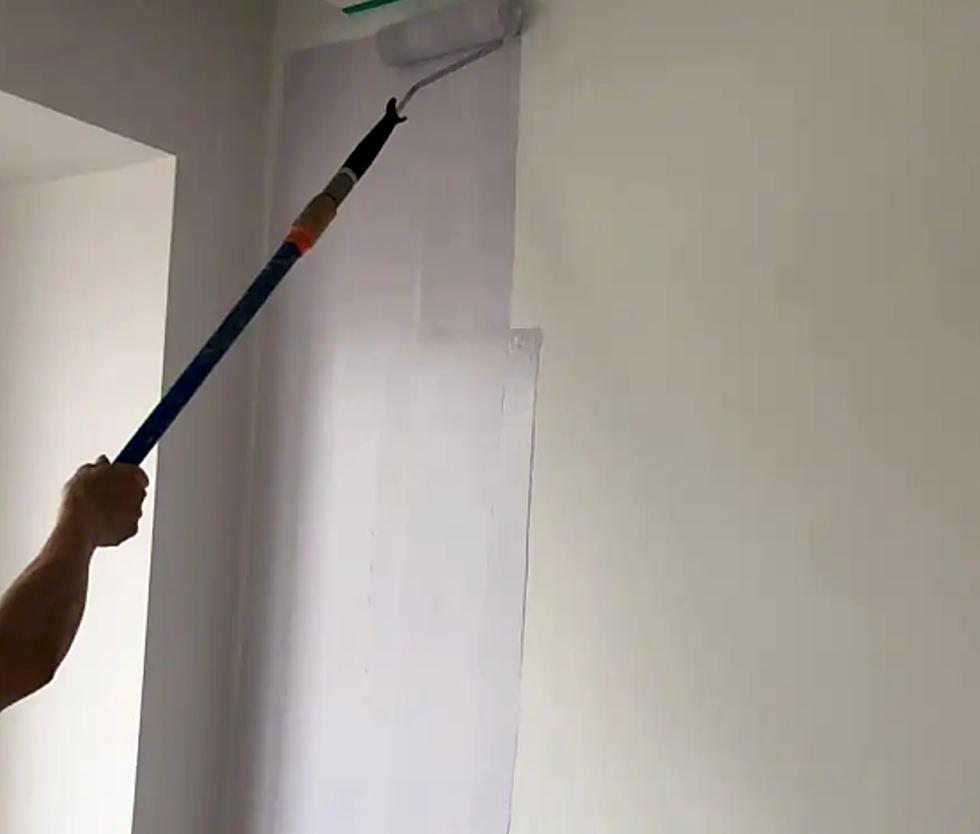
It is not enough for the room to feel slightly warmer. The wall itself needs to reach a suitable temperature as well.
If the building has been cold for a long time, it is better to warm the space first and make sure the wall condition is suitable before starting. If you are also dealing with older substrates, stains, or repainting issues, you can read more about old wall repainting problems before deciding on the coating approach.
3. Do Not Rush Ventilation Immediately After Painting
Fresh paint needs time to form a stable film.
A more reliable approach is to let the coating dry under relatively stable indoor conditions first, then introduce ventilation gradually instead of opening everything at once.
Does Freeze-Resistant Mean the Paint Can Freeze?
No.
This is one of the most misunderstood points in winter painting.
Some paint products are designed to handle low-temperature transportation better than others, but that does not mean they can freeze without damage.
Freeze resistance is not the same as full freeze tolerance. A safer approach is always to prevent the paint from freezing in the first place.
Do You Always Need to Wait Until Spring?
Not necessarily.
In real projects, waiting for warmer weather is not always the best option. There may be moving deadlines, renovation schedules, contractor availability, or cost concerns.
The better question is not simply whether it is winter. The real question is whether the current indoor conditions are suitable for painting.
If the room is warm enough, the wall is ready, the paint has not frozen, and the drying process is managed properly, interior wall painting in winter can still deliver good results.
What to Check Before Painting Interior Walls in Winter
Before starting a winter painting job, it is worth checking these points first:
- Has the paint been exposed to freezing temperatures?
- Is the room temperature within a safe application range?
- Is the wall surface warm enough for painting?
- Is the humidity level suitable?
- Can the room provide a stable drying environment after application?
- Is the wall surface itself ready for painting?
These questions are more useful than simply asking whether winter painting is allowed or not.
Conclusion
Yes, you can paint interior walls in winter, but only when the conditions are right.
The real decision should be based on:
- room temperature
- wall temperature
- humidity
- paint storage condition
- drying and film formation environment
If these are controlled properly, winter interior painting does not have to be a problem. In many cases, the real cause of failure is not the season itself, but poor preparation and rushed application.
If you are not sure whether your current wall condition, room temperature, or paint storage situation is suitable for winter painting, contact us with your project details before starting.