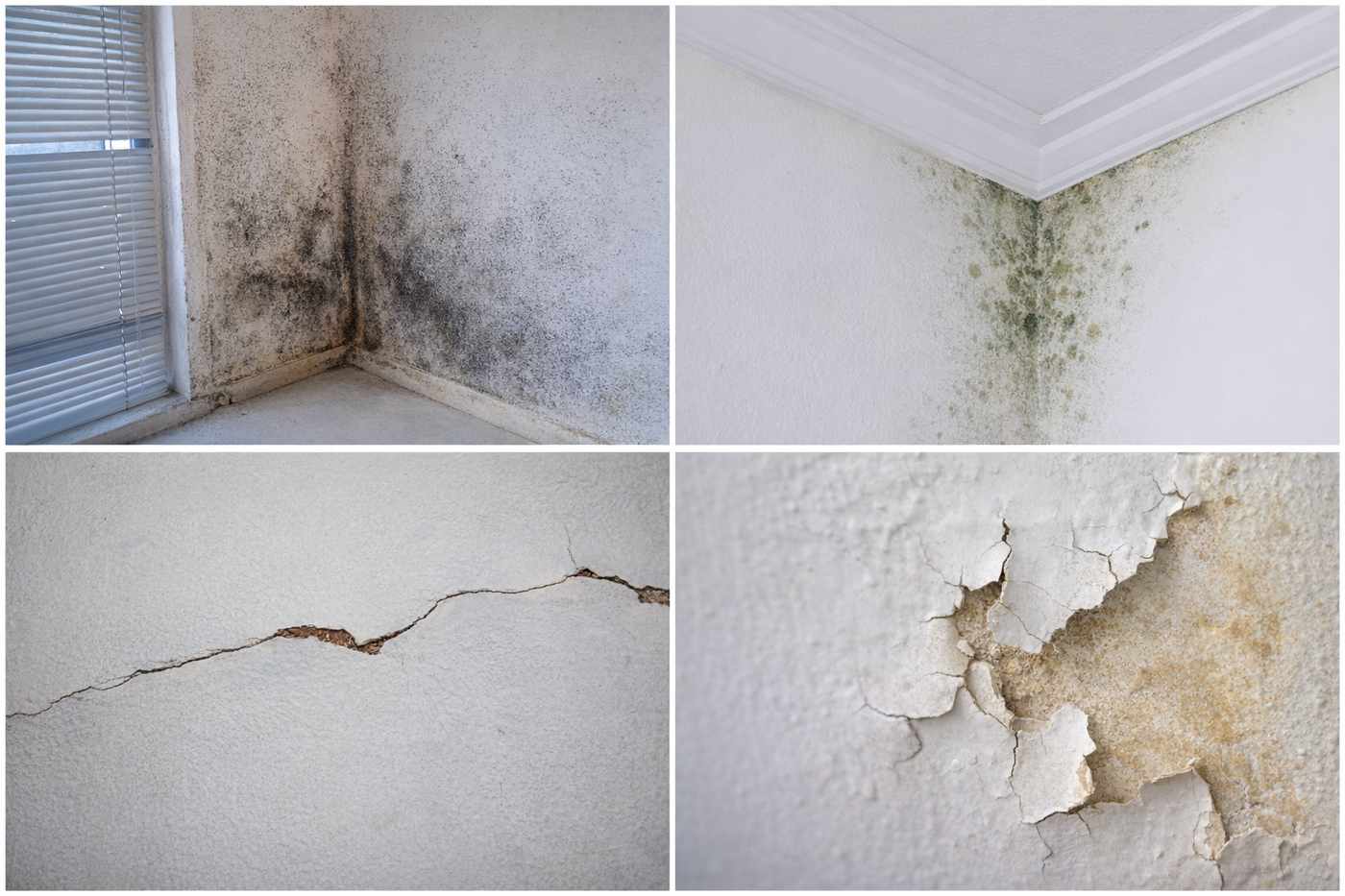
10 Common Old Wall Repainting Problems and How to Fix Them
Repainting old walls is not always as simple as applying a new coat of paint. In many renovation projects, the real issue is not the finish itself, but the condition of the wall underneath.
Problems such as mold, peeling paint, chalking, cracks, efflorescence, and weak substrates are common in older walls. If these issues are not treated properly before repainting, the new coating may fail much sooner than expected.
In this article, we look at 10 common old wall repainting problems, what causes them, and how they are usually fixed in practical renovation work.
1. Mold on Old Walls
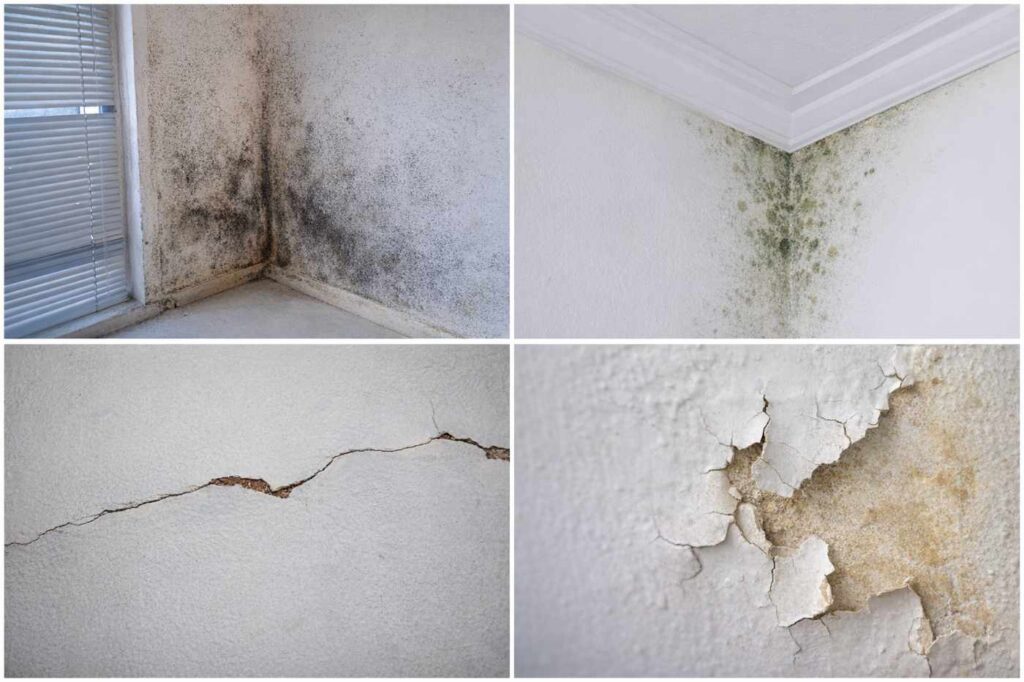
Mold is one of the most common problems in old wall renovation, especially in damp rooms or spaces with poor ventilation.
Common Causes of Mold on Walls
High humidity, poor airflow, and low mold resistance in the existing paint system are some of the most common causes.
How to Fix Mold Before Repainting
In most cases, the correct process is:
remove the mold → allow the wall to dry fully → apply anti-mold primer → apply anti-mold topcoat
For light surface mold, the wall can often be cleaned first and then dried completely. However, cleaning alone is usually not enough. Without a proper anti-mold system, the problem can return quickly.
For interior renovation projects, choosing the right coating system matters. You can also explore our interior wall paint solutions for common repainting conditions.
2. Hairline Cracks in Old Walls
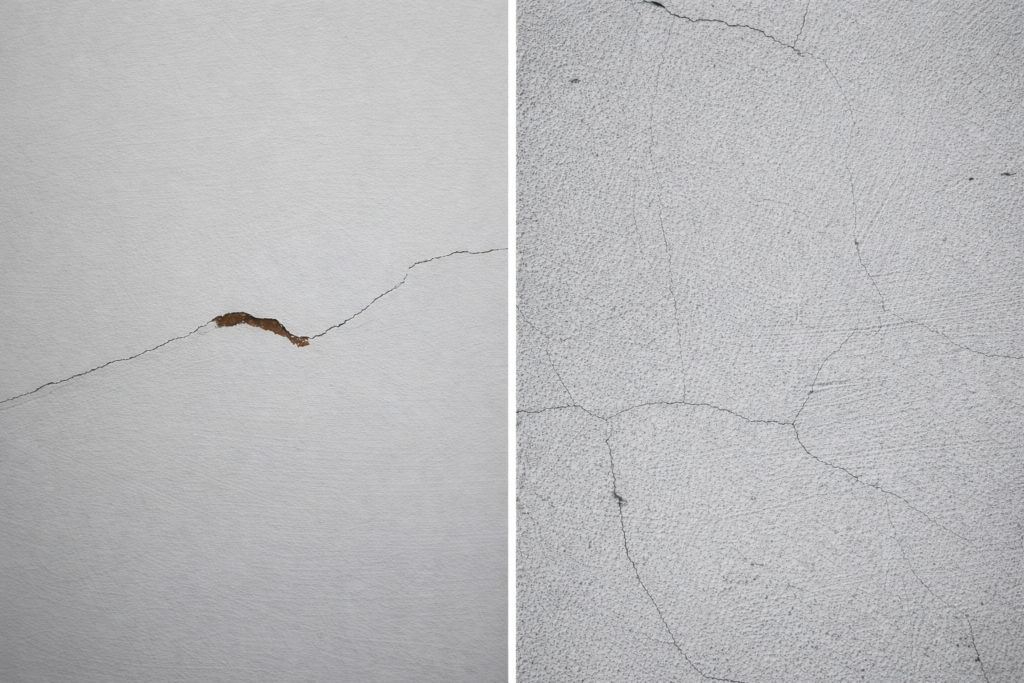
Hairline cracks are very common in older buildings. Some appear gradually over time, while others may show up soon after repainting.
Common Causes of Wall Cracks
Typical causes include shrinkage in the substrate, paint applied too thickly, and minor structural movement or settlement.
How to Repair Hairline Cracks
The repair method depends on the size of the crack.
Small cracks can often be repaired with surface treatment and repainting. Larger cracks usually need to be opened into a V-groove, filled properly, and then recoated.
This is important because larger cracks often come from weakness below the surface. Simply painting over them usually does not give a long-lasting result.
3. Peeling or Flaking Paint
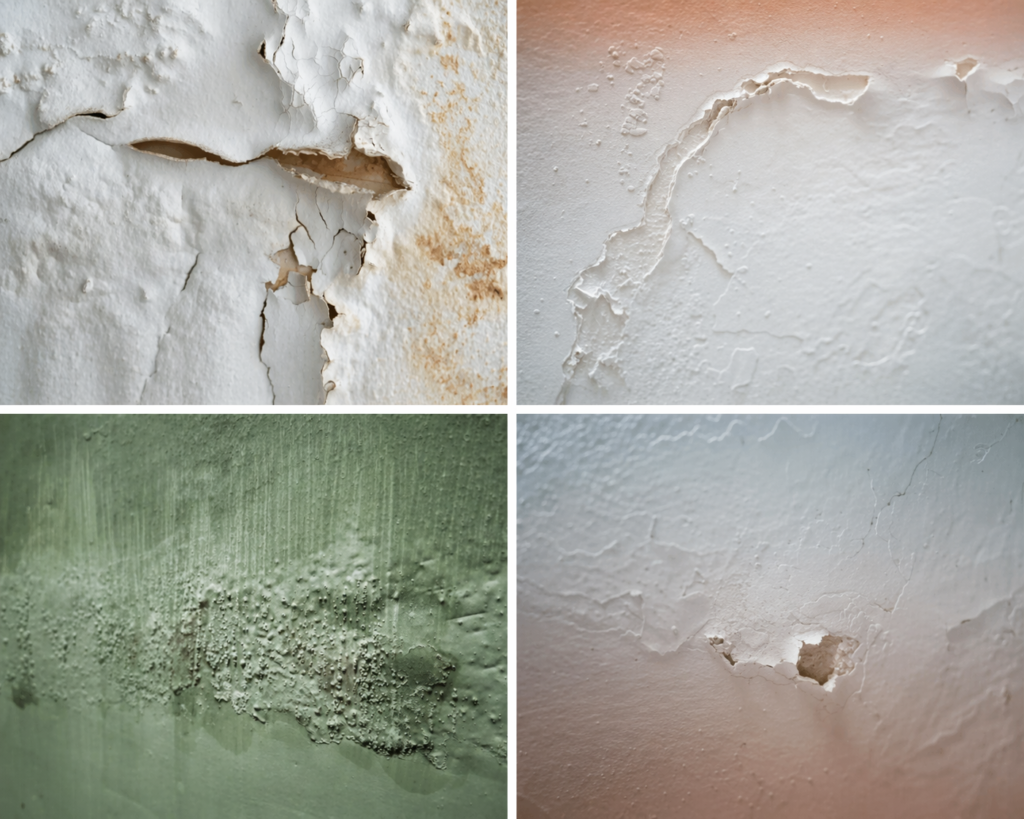
Peeling paint is one of the most typical old wall repainting problems in renovation projects.
Common Causes of Peeling Paint
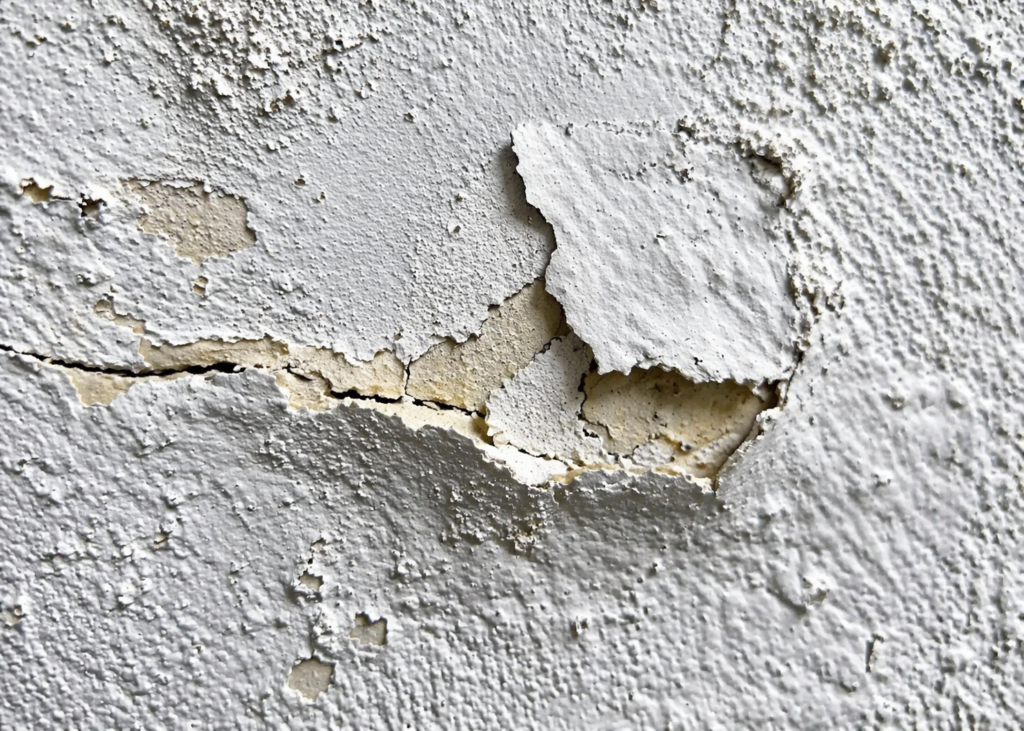
Common causes include a damp substrate, a weak or powdery base layer, no primer under the previous paint, poor surface preparation, or recoating too quickly between coats.
How to Fix Peeling Paint on Old Walls
In most cases, the damaged coating should be removed before repainting.
The usual process is:
remove loose paint → repair the substrate → apply primer → repaint
If moisture is causing the failure, that issue should be solved first. Otherwise, the new coating may fail again.
For exterior surfaces exposed to weather and moisture, you can also check our exterior wall paint solutions.
4. Chalking Walls
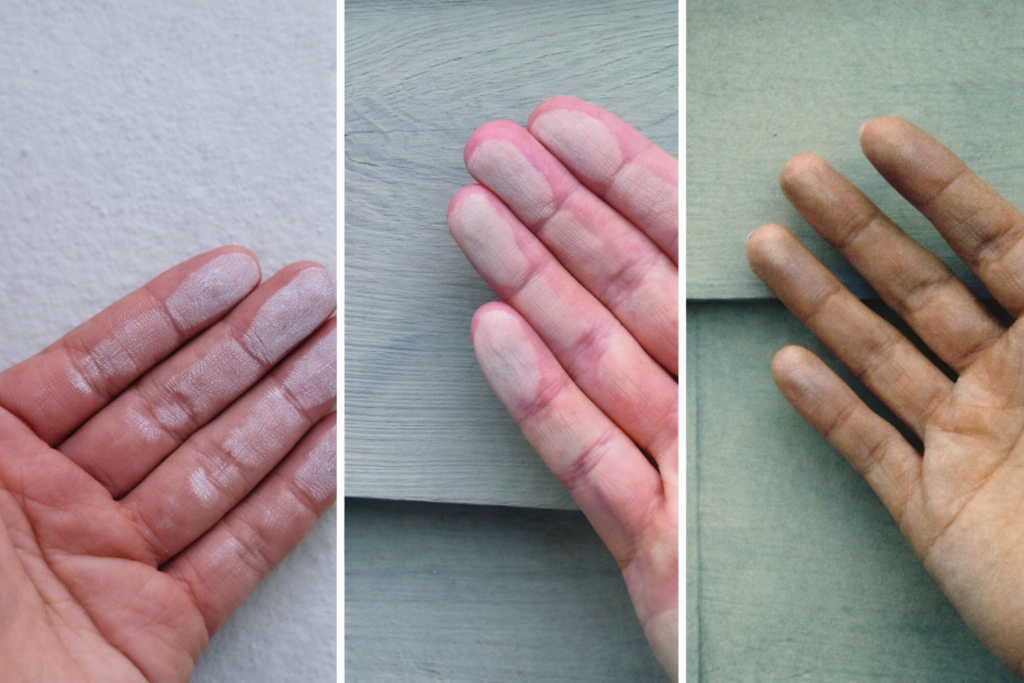
A chalking wall leaves white powder on your hand when touched. This usually means the old paint film has started to break down.
Common Causes of Chalking
Aging paint film, poor-quality previous coating, and long-term exposure to weather or wear are common reasons.
How to Repair a Chalking Wall
A chalking wall should not be painted over directly.
The typical repair method is:
clean off the loose powder → apply a penetrating sealer or bonding primer → repaint
The goal is to stabilize the surface first. Without that step, the new paint may not bond properly.
5. Efflorescence on Walls
Efflorescence appears as white, salt-like deposits on the wall surface. It is common on ground-floor walls, basements, exterior walls, and walls near bathrooms.
Common Causes of Efflorescence
It is usually caused by moisture moving through the wall, salts in cement-based materials, or high alkalinity in the substrate.
How to Fix Efflorescence Before Repainting
This problem needs to be treated as both a moisture issue and a substrate issue.
In most cases, the right process is:
reduce moisture intrusion → clean the salts → apply a suitable sealing primer → repaint
If the damp source remains active, efflorescence may return even after repainting.
For walls with moisture-related issues, our waterproof coatings may also be relevant depending on the project type.
6. Severe Color Difference After Repainting
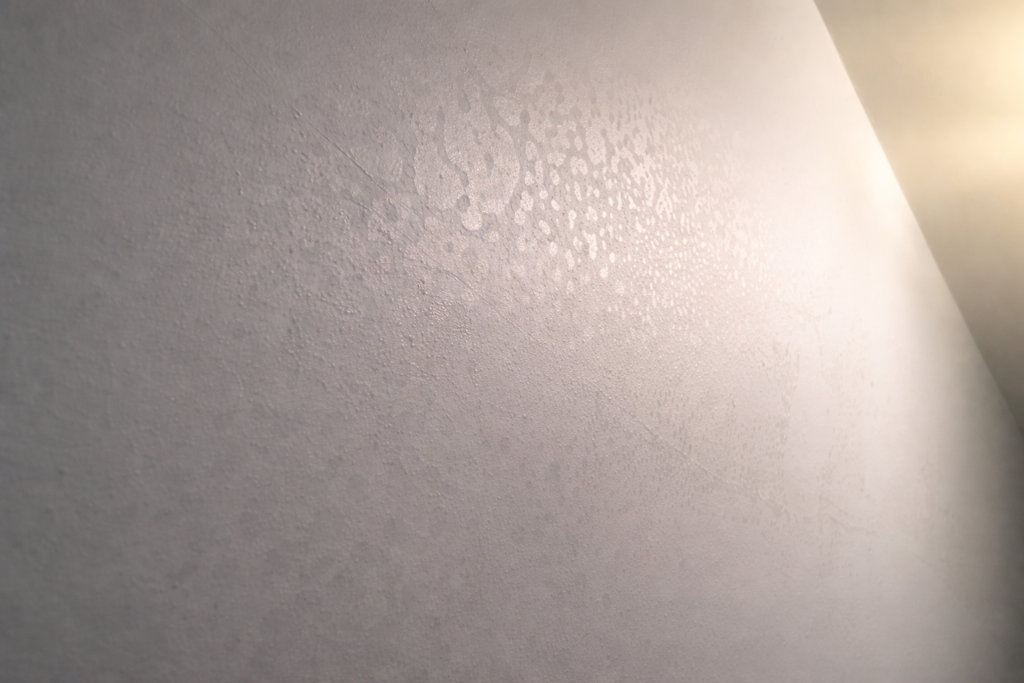
Color difference is another common issue in old wall renovation, especially after patch repairs.
Common Causes of Color Difference
Different paint batches, inconsistent color matching, different substrate absorption rates, and different dilution ratios during application can all lead to visible color differences.
How to Avoid Color Difference
In most cases, repainting the entire wall gives a better result than touching up only one section.
Even when the same color code is used, old paint may have faded over time. That is why local repairs often look different from the surrounding area, especially with darker colors.
7. High Surface Absorption
Some old walls absorb paint too quickly. The finish may look fine when wet, but after drying it can appear patchy or uneven.
Common Causes of High Wall Absorption
Porous cement walls, rough putty surfaces, and the lack of a sealer before painting are among the main causes.
How to Fix High Wall Absorption
A sealing primer or wall sealer is usually needed before the topcoat.
This helps to reduce surface absorption, improve film formation, and create a more even finish.
This step is especially important when applying dark colors over cement-based or highly porous surfaces.
8. Poor Hiding Power
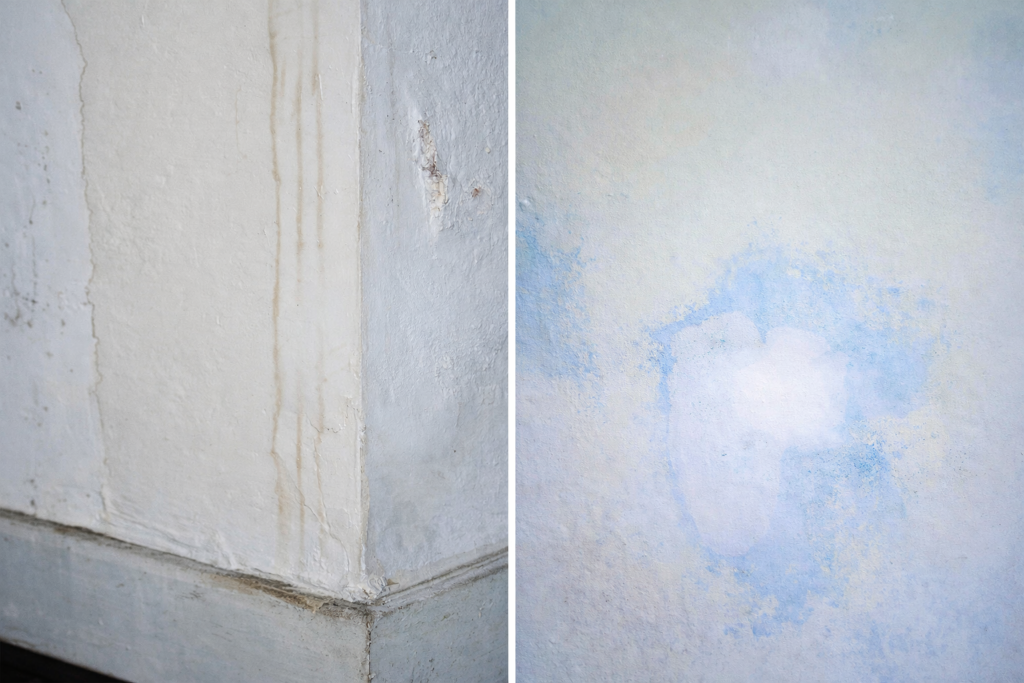
Some old walls are difficult to cover, especially when the original wall color is dark or the surface has heavy stains.
Common Causes of Poor Hiding
Dark existing paint, heavy stains or marks, low hiding power in the new paint, and stain bleed from the substrate are all common reasons.
How to Improve Hiding on Old Walls
A coating system with good hiding power can reduce the number of coats needed and improve overall repainting efficiency.
Where stain bleed is likely, the wall may also need:
cleaning → stain-blocking or sealing treatment → repainting
In these situations, hiding power alone may not solve the problem.
9. Grease or Oil on the Wall
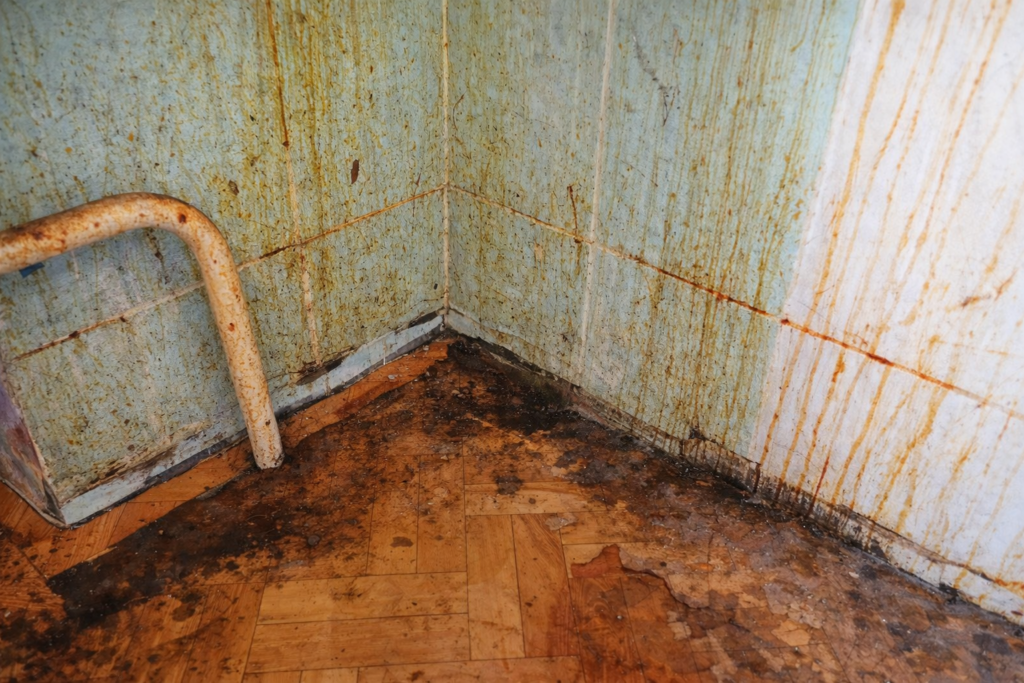
Grease contamination can create serious adhesion problems. If the surface is not cleaned properly, the new paint may not stick well.
Common Causes of Grease on Walls
Typical sources include kitchen grease, industrial contamination, and long-term dirt buildup.
How to Repaint Greasy Walls
The correct process is usually:
clean the surface → sand where needed → make sure the wall is sound → repaint
For areas likely to get dirty again, a coating with better stain resistance can make future maintenance easier.
10. Hollow or Loose Base Layer
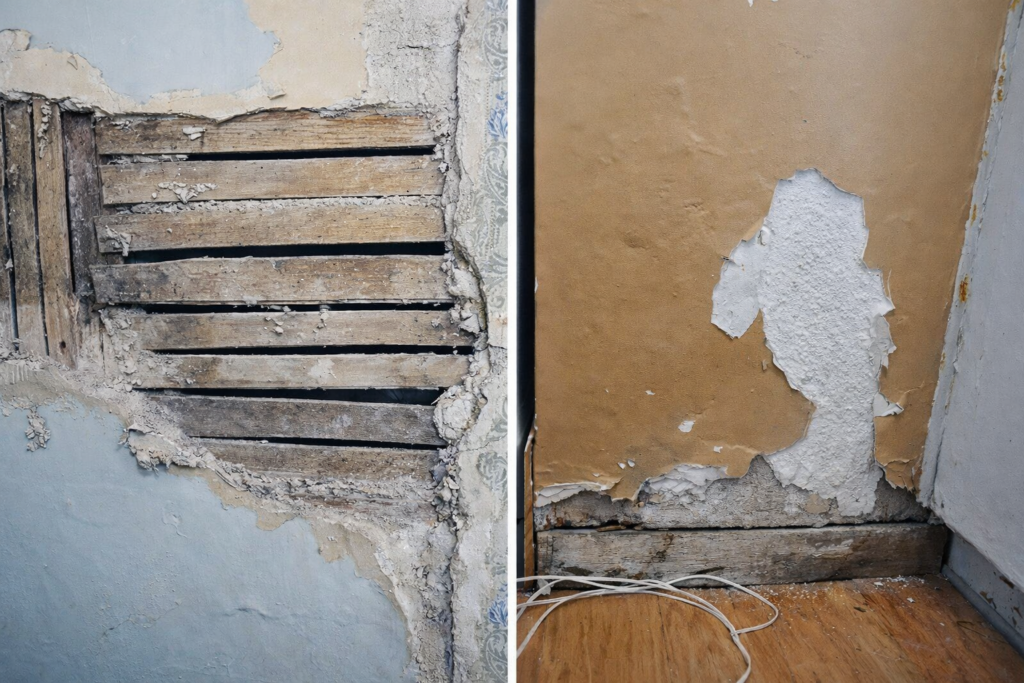
This is one of the most serious problems in old wall renovation.
How to Identify a Hollow Wall Area
Tap the wall lightly. If it sounds hollow, part of the plaster or base layer may have detached from the substrate underneath.
Common Causes of Hollow Base Layers
Poor bonding in the original plaster, moisture-related damage, and aging or movement in the wall structure are common causes.
How to Fix a Hollow Wall Before Repainting
This problem usually cannot be solved by repainting alone.
The typical repair process is:
remove the hollow area → repair the base layer → allow proper curing → repaint
If the substrate is not solid, even a good paint system will not last.
Final Thoughts on Old Wall Repainting Problems
Old wall repainting problems may look similar on the surface, but the causes behind them can be very different. That is why successful renovation starts with correct diagnosis before choosing the paint system.
In most projects, the best approach is simple:
identify the problem → treat the substrate correctly → choose the right primer and topcoat → repaint under proper conditions
When the wall condition is handled correctly from the start, the new coating will usually perform better and last longer.
Frequently Asked Questions About Old Wall Repainting
Can you paint directly over old walls?
Not always. Old walls should be checked first for mold, peeling paint, cracks, chalking, moisture problems, or loose substrate. If these issues are not treated properly, the new paint may fail early.
What is the most common problem when repainting old walls?
Some of the most common problems include mold, peeling paint, hairline cracks, chalking, efflorescence, poor hiding, and high surface absorption.
Why does paint peel on old walls?
Paint usually peels because of moisture, poor surface preparation, weak substrate, or missing primer. In many cases, the damaged layer needs to be removed before repainting.
How do you fix chalking walls before painting?
Chalking walls should be cleaned first, then sealed with a penetrating sealer or bonding primer before applying the new paint system.
Should you use primer on old walls?
Yes, in most cases primer is necessary. It helps improve adhesion, reduce surface absorption, seal problem areas, and support better topcoat performance.
How do you know if an old wall has a substrate problem?
If the wall sounds hollow when tapped, powders easily, or shows repeated cracking and peeling, the substrate may already be weak and should be repaired before repainting.
Need Help Choosing the Right Coating System for Old Wall Renovation?
If you are dealing with mold, peeling paint, chalking, cracks, or moisture-related wall problems, contact us for practical suggestions based on your wall condition, project type, and supply needs.